
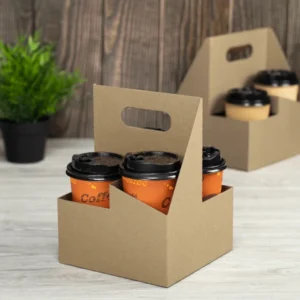
A busy cafe needs more than good coffee and friendly service. It also needs simple packaging that helps customers carry their drinks without spills or discomfort. A custom paper cup carrier offers a practical way to move several drinks from the counter to a car, office, or nearby table. It can also give a business a neat and professional appearance.
Choosing the right design depends on how drinks are served and who will carry them. Some businesses need a lightweight option for takeaway orders, while others prefer stronger packaging for delivery services. The material, handle, size, and printing all affect how well the carrier performs. Understanding these details makes it easier to select packaging that suits daily needs. This guide explains the main features, common uses, and buying factors to consider before placing an order.
Choosing Suitable Materials
The material affects the strength, appearance, and overall usefulness of a drink carrier. Paperboard is a popular choice because it is lightweight and easy to shape. Recycled paper materials may also suit businesses that want to reduce their use of new resources. However, the actual strength depends on the thickness, construction, and quality of the paper. A carrier should support the expected weight of the cups without bending too easily. Businesses should also consider how the packaging reacts to moisture from cold drinks or condensation. Testing samples with the cups used in daily service can reveal problems before a large order arrives.
Understanding Handle Designs
A comfortable handle makes drink packaging easier to carry, especially when customers have several cups in one order. A Paper Cup Carrier with Handle can be useful for coffee shops, takeaway counters, and event vendors. Some designs have a built-in paper handle, while others use folded sections that create a secure grip. The handle should feel comfortable without cutting into the fingers. Its attachment points also need enough strength to support the drinks. Before choosing a design, staff should test it with full cups and realistic carrying conditions. A simple handle can improve convenience without making the packaging unnecessarily bulky or difficult to store.
Comparing Carrier Structures
Different carrier structures serve different purposes. A Paper Cup Carrier Tray usually holds multiple cups in separate openings or shaped compartments. This arrangement helps keep drinks upright and reduces movement during short trips. Tray-style designs can be useful for cafes that regularly receive orders for two, four, or more beverages. However, the number of compartments should match common order sizes. Oversized openings may allow cups to move, while narrow openings can make loading difficult. The carrier should also leave enough space around the cups for easy removal. Comparing different tray layouts helps businesses find a balance between stability, storage, and convenience.
Selecting Natural Finishes
Packaging appearance can influence how customers view a business. A Kraft Paper Cup Carrier offers a natural brown finish that works well with simple cafe branding. It can suit businesses that prefer an understated look rather than bright colors or elaborate designs. Kraft paper may also be available in different thicknesses and constructions, so the name alone does not guarantee durability or environmental benefits. Buyers should ask suppliers about the actual material and any coatings used. A clean finish can make a carrier look professional even without extensive printing. For many small businesses, this straightforward style provides an appealing combination of practical packaging and a consistent visual identity.
Matching Cups Properly
A carrier must fit the cups it is designed to hold. A Paper Cup Holder with openings that are too wide may allow drinks to tilt during transport. Openings that are too tight can slow down staff and make cups difficult to remove. Cup diameter, height, lid shape, and filled weight should all be considered before choosing a model. Businesses that serve several drink sizes may need more than one carrier design. It is helpful to test the actual cups and lids used at the counter instead of relying only on product measurements. A suitable fit supports smoother order preparation and gives customers more confidence while carrying their drinks.
Adding Clear Branding
Custom packaging can help customers recognize a cafe even after they leave the store. Custom Printed Paper Drink Carriers provide space for a business name, logo, short message, or website address. The design does not need to be complicated to look effective. A clear logo and readable text often work better than crowded graphics. Before approving the artwork, buyers should check the print size, color accuracy, and placement. They should also ask whether the supplier provides a digital proof or physical sample. Printing methods and minimum order quantities can affect the final cost. A well-planned design keeps branding consistent while preserving the carrier’s main purpose.
Planning Beverage Orders
The best carrier depends on the drinks a business sells and the way orders are handled. A Custom Beverage Carrier can be designed around common order sizes, cup dimensions, and preferred carrying methods. A small coffee shop may mainly need packaging for two drinks, while a catering service may regularly move larger orders. Some businesses may also prefer a Custom Disposable Dual Cup Carrier for customers purchasing two beverages at once. Before choosing a model, consider storage space, staff speed, delivery distances, and the weight of filled cups. Matching the carrier to everyday orders helps avoid unnecessary packaging costs and makes service more convenient for employees and customers.
Managing Bulk Purchases
Buying larger quantities can help businesses maintain a steady supply of packaging, but the lowest unit price is not always the best deal. Price custom paper cup orders may offer better pricing for cafes, restaurant groups, and distributors that purchase regularly. Buyers should compare material quality, printing charges, delivery costs, and production timelines. Businesses with seasonal demand may prefer smaller orders until sales become more predictable. For established operations, Custom Paper Cup Carrier Bulk purchasing can reduce the risk of running out during busy periods. Still, it is wise to confirm storage requirements and inspect samples before committing to a large shipment. Clear specifications and dependable suppliers make repeat orders easier to manage.
Conclusion
A suitable carrier should make drink transport easier while supporting the needs of the business. Material strength, handle comfort, cup fit, and printing quality all deserve attention. Testing a few samples is a simple way to identify weaknesses before ordering packaging for daily use.
A custom paper cup carrier can also help a cafe present its drinks more professionally. The right choice depends on order volume, budget, storage space, and customer expectations. Start with the most common drink orders, compare a few designs, and request a sample from the supplier. This approach helps businesses choose packaging that works well in practice rather than relying on appearance or price alone.
