

Cooking is both an art and a science, and the ingredients you choose make all the difference. Among the most versatile pantry essentials, high-quality vinegar for cooking stands out for its ability to enhance flavors, balance acidity, and bring freshness to a wide variety of recipes. Whether you’re preparing salads, marinades, soups, sauces, or roasted vegetables, premium vinegar transforms everyday meals into memorable culinary experiences.
Understanding the value of quality vinegar goes hand in hand with learning about herbs and spices. In fact, Introduction to Spices: Natural Flavour Boosters is an essential concept for anyone looking to create delicious dishes using natural ingredients rather than artificial flavor enhancers.
This guide explores the benefits of premium cooking vinegar, its different types, and how spices and vinegar work together to create exceptional meals.
What Is High-Quality Vinegar for Cooking?
High-quality vinegar is produced through a natural fermentation process using premium ingredients such as grapes, apples, wine, rice, or malt. Unlike lower-grade vinegar, premium varieties are carefully aged and retain complex flavors that improve recipes instead of simply adding acidity.
Good-quality vinegar offers:
- Rich aroma
- Balanced acidity
- Smooth finish
- Natural fermentation
- Enhanced nutritional value
Using premium vinegar ensures that every recipe benefits from authentic flavor rather than harsh sourness.
Why Quality Matters
Many home cooks underestimate how much vinegar influences a dish. Inferior vinegar often tastes overly acidic and lacks depth, while premium vinegar contributes subtle sweetness, fruity notes, and complexity.
Benefits include:
- Better flavor balance
- Improved texture
- Enhanced marinades
- More vibrant salad dressings
- Superior sauces
Whether you’re preparing simple vegetables or gourmet meals, investing in quality ingredients always pays off.
Popular Types of Cooking Vinegar
Several varieties of vinegar serve different culinary purposes.
Apple Cider Vinegar
Made from fermented apples, this vinegar offers a fruity taste and mild acidity.
Perfect for:
- Salad dressings
- Marinades
- Vegetable dishes
- Healthy drinks
Balsamic Vinegar
Aged balsamic vinegar delivers rich sweetness with balanced acidity.
Best used for:
- Grilled vegetables
- Cheese platters
- Pasta
- Roasted meats
- Fruit desserts
White Wine Vinegar
This light vinegar has delicate acidity suitable for seafood and poultry.
Ideal applications include:
- Light sauces
- Fish recipes
- Fresh salads
Red Wine Vinegar
With deeper flavor than white wine vinegar, it pairs well with hearty dishes.
Excellent for:
- Beef marinades
- Lentils
- Mediterranean recipes
Rice Vinegar
Common in Asian cuisine, rice vinegar is mild and slightly sweet.
Perfect for:
- Sushi rice
- Stir-fries
- Pickled vegetables
Health Benefits of High-Quality Vinegar for Cooking
Premium vinegar offers more than excellent taste.
Potential benefits include:
- Supports healthy digestion
- May assist blood sugar management
- Contains beneficial organic acids
- Adds flavor without excessive calories
- Encourages healthier meal preparation
Although vinegar should not replace medical treatments, incorporating it into a balanced diet can contribute to healthier eating habits.
Introduction to Spices: Natural Flavour Boosters
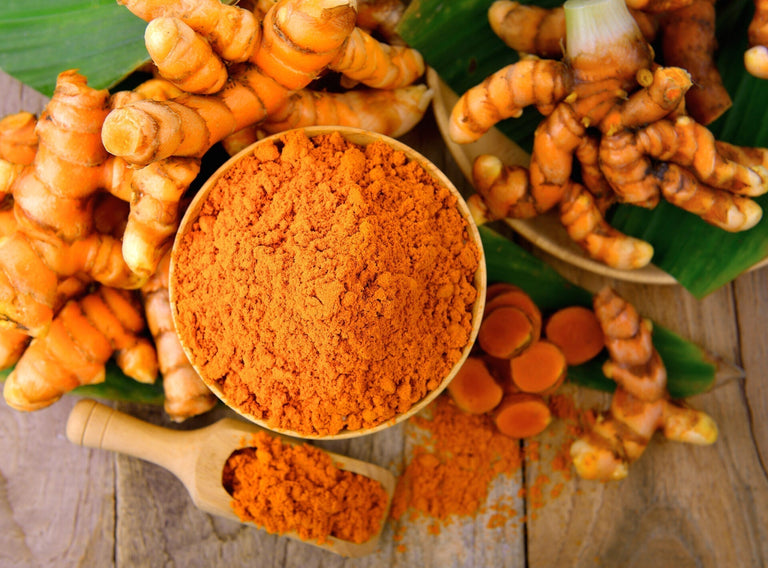
No discussion about premium cooking ingredients is complete without exploring Introduction to Spices: Natural Flavour Boosters.
Spices are dried seeds, roots, bark, fruits, and flowers that naturally enhance aroma, color, and taste. They have been treasured for centuries across cultures because they create bold flavors without relying on artificial additives.
Popular spices include:
- Black pepper
- Cinnamon
- Turmeric
- Cumin
- Coriander
- Paprika
- Cardamom
- Cloves
These ingredients not only improve taste but also contribute antioxidants and beneficial plant compounds.
How Vinegar and Spices Work Together
One of the secrets of professional chefs is combining acidity with aromatic spices.
For example:
- Apple cider vinegar with cinnamon for autumn salads
- Balsamic vinegar with black pepper for roasted vegetables
- Rice vinegar with ginger for Asian cuisine
- Red wine vinegar with oregano for Mediterranean recipes
- White wine vinegar with dill for seafood
This combination creates balanced flavors where neither ingredient overpowers the other.
Cooking Tips for Maximum Flavor
To get the best results from premium vinegar:
Use It at the Right Time
Some recipes benefit from adding vinegar during cooking, while others taste best when vinegar is added just before serving.
Pair Carefully
Match vinegar intensity with your ingredients.
Examples:
- Delicate fish → White wine vinegar
- Beef → Red wine vinegar
- Fresh fruit → Balsamic vinegar
- Green salads → Apple cider vinegar
Don’t Overuse It
A small amount is often enough. Too much acidity can overwhelm other flavors.
Everyday Recipes Using High-Quality Vinegar
Premium vinegar works beautifully in countless recipes.
Fresh Garden Salad
Combine:
- Olive oil
- Apple cider vinegar
- Black pepper
- Sea salt
- Dijon mustard
A simple dressing that highlights fresh vegetables.
Roasted Vegetables
Drizzle balsamic vinegar over roasted carrots, onions, zucchini, and peppers before serving.
Homemade Marinade
Mix:
- Red wine vinegar
- Garlic
- Rosemary
- Olive oil
- Black pepper
Perfect for chicken or beef.
Asian Stir-Fry
Rice vinegar combined with soy sauce, garlic, sesame oil, and ginger creates a flavorful stir-fry sauce.
Choosing the Best Vinegar
When shopping, look for:
- Natural fermentation
- Minimal ingredients
- No artificial coloring
- Balanced acidity
- Trusted brands
- Glass bottle packaging
- Proper aging information
Premium products generally provide noticeably better flavor than inexpensive alternatives.
Storing Vinegar Properly
Fortunately, vinegar has a long shelf life.
Store it:
- In a cool place
- Away from sunlight
- With the lid tightly closed
- At room temperature
Proper storage preserves flavor and quality for years.
Why Every Kitchen Needs Quality Vinegar and Spices
Professional chefs understand that outstanding cooking starts with outstanding ingredients. High-quality vinegar provides brightness and balance, while spices create warmth, aroma, and depth.
Learning the Introduction to Spices: Natural Flavour Boosters helps home cooks develop confidence in the kitchen by understanding how natural seasonings complement acidity.
Together, premium vinegar and carefully selected spices allow you to prepare healthier, more flavorful meals without relying on processed sauces or artificial ingredients.
Conclusion
Choosing high-quality vinegar for cooking is one of the simplest ways to elevate everyday meals. From crisp salads to rich marinades and savory sauces, premium vinegar delivers balanced acidity and refined flavor that ordinary vinegar cannot match.
At the same time, understanding Introduction to Spices: Natural Flavour Boosters opens the door to endless culinary creativity. By combining quality vinegar with aromatic spices, you can create vibrant, delicious, and wholesome dishes that impress family and guests alike.
Whether you’re an experienced chef or a home cook, investing in premium vinegar and embracing the natural power of spices will transform the way you cook and enjoy food every day.
